TLDR Provided by ChatGPT
The author, a Journalism graduate and drummer of the black metal band Vestia, discusses their experiences as a trans person in the UK black metal scene. They explore the controversies surrounding black metal, such as the presence of paedophiles, neo-Nazis, and misogyny, and how these issues contribute to the genre’s poor reputation. Despite initial misconceptions and anxiety, the author found the black metal community to be welcoming and diverse, contrary to its negative portrayal. They highlight the difference in expectations between mainstream and black metal artists, arguing that mainstream artists have a duty to be decent to their fans, while black metal artists are judged more for their artistic contributions than their personal beliefs. The author believes that overtly political bands limit their artistic potential and prefers that black metal remains an escape from real-world issues. They conclude by asserting that black metal should not be dismissed due to the actions of a few individuals, advocating for separating the art from the artist and appreciating black metal for its emotional and artistic depth.
Black metal is a genre fraught with controversy. From paedophiles to neo-Nazis to misogyny, it’s not surprising that black metal doesn’t have a great reputation. It is not helped by the fascination that normies have with the story of Mayhem through YouTube documentaries and feature films, where the fantasies and actions of extremely mentally ill teenagers and young adults from Norway in the 90s are venerated as being “cool” – or at least viewed as cool by modern fans.
Politics in music is a highly debated subject. We live in a world where the political beliefs of individuals of any level of influence are highly scrutinised; placed on a pedestal by some, heavily criticised by others. Furthermore, we live in a world where people will prevent themselves from enjoying certain forms of art because at least one of the artists involved with its creation has marginally different political views to them. They aren’t always consistent on this, but they will. However, and most importantly, I think that bands who name their politics and make music exclusively for that purpose end up limiting their artistic ability – but more on that later.
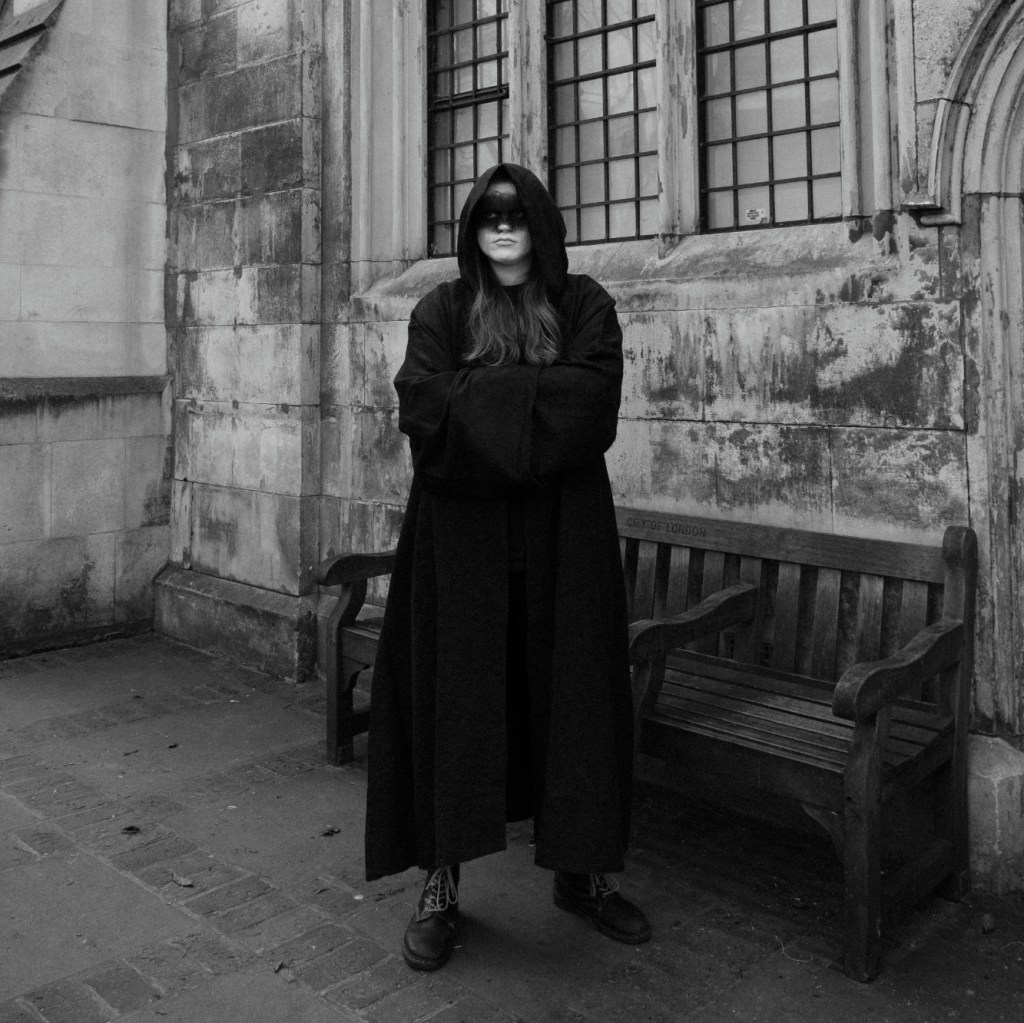
If you’re new here, my name is Io Cumore, and I’m a Journalism graduate and drummer of black metal band Vestia (where I’m known as The Galilean Incarnation). I started this blog a few years ago to air out my frustrations with the political system in the UK, but before long I started sharing my own stories here too. I don’t really post on here very often anymore, due mainly to political burnout, but I’ve decided that I need to post at least once a year to make the amount of time and money I’ve spent on this endeavour worthwhile. The common theme you will find if you look back over my previous posts is that I speak a lot about the “debate” around trans rights in the UK and US because I am non-binary. In this year’s edition of “what’s playing on Io’s mind enough to warrant a blog post” I will be discussing my experiences as a trans person in the UK black metal scene.
I’m not going to string you along though, in short, at time of writing I have had no negative experiences regarding my gender identity at all. However, I have experienced a lot of anxiety due to my own misconceptions of what the black metal community must be like. For background, I grew up loving metal music. I can still remember sitting in the car as my dad showed me the EP of my first metal band, Brutai. Before that, I hadn’t really been a music person, but it felt like I’d finally found the music I was born to love after years of not really caring. From there, my love of metal blossomed, finally plateauing at various forms of deathcore, melodeath and more extreme prog metal. I had heard of black metal, knew the story of Mayhem and was aware of the prevalence of neo-Nazism within the genre and because of that I gave it a wide berth. Furthermore, I didn’t really “get it”. I loved Celtic Frost but that was about it. It wasn’t until I joined Vestia that that began to change.
Through Vestia I learnt that the beauty and variety in black metal (and the vast number of bands and artists) outweighs the negative perceptions it can have. I’ve gone from listening to one black metal band to having a 40+ hour long playlist of almost exclusively black metal in under a year. In fact, I’d argue that black metal is unlike any other genre because of the sheer amount of variety you can have. Its potential for creativity alone is unlike any other type of music, not to mention its potential for both brutality and beauty. One of the core tenets of black metal was to make it as unappealing to the majority as possible – which is still the case on the whole – but the select few who can understand it are left with one of the most beautifully diverse genres in human history. Now that I understand black metal on a much deeper level, I hold black metal artists to a much different standard than any more mainstream artist.
I think more mainstream artists (like, for example, Falling in Reverse), have a duty to their fans to be decent people. I know many trans people who listened to Falling in Reverse in their teenage years and their music really helped them get through all the shit that comes with going through the wrong puberty. They now have to watch a man they idolised go out of his way to harass trans youth on the internet and celebrate and support other people in the metal scene who come out against us. I cannot describe in words the hurt I felt when former lead singer of Thy Art is Murder, CJ McMahon, called for the mother of a toddler to be “burnt” because of a video that deliberately made it look like she was forcing her child to be trans. I wasn’t even a massive fan of the band anymore, but knowing that a man who’d help me cope during the darkest times of my life could potentially think similar things about my own supportive mother was sickening. Bands and artists like this have a duty to love and support all of their fans, not just the ones that agree with them politically (especially when their music isn’t political).
However, when it comes to black metal, I hold artists to a much lower level of expectation. For me, a lot of black metal transcends the label of music into art. It’s not just some 30 year old dude singing about how hard it is to be a teenager, or about how his one night stand didn’t text him back. It deals with huge emotions both lyrically and musically in a way only great poets and painters are able to do. Furthermore, due to the very nature of the music, it doesn’t have the same level of influence as the bands I previously mentioned. I have chosen to judge black metal (as a genre) on the personal interactions I have with other fans and artists I meet either in person or through genuine interactions, rather than the deranged ramblings of a few on the internet. Not every black metal fan is a deranged, brain-broken NSBM fan. I have found a safe space in black metal that most would not expect to exist. When it comes to the bands I listen to and play with, I tend not to care about their political views unless it’s extremely obvious in their music/imagery. I will judge bands and artists based on their actions, not on how they’re perceived by certain subreddits. As I mentioned, there are lines that I will not cross for my own personal safety, but also my enjoyment of the music, and I trust my friends and bandmates to not put me in a position where I’d be unsafe (and back me up if my presence in the band/scene is questioned).
In my opinion, politics should only exist in music in very rare cases, especially in black metal. This genre has been my escape from the real world over the past year, where I don’t have to think about the shitty things that are happening to people like me all over the world. It’s a way that I have been able to express my emotions in a healthy way without having to think about Rishi Sunak spouting transphobic bullshit at the Tory Party Conference. Bands who box themselves into one political opinion have little-to-no appeal to me anymore. There may be a place for it in other genres of music, sure, but I prefer my black metal a little more nuanced than that. Some of the members of the bands I listen to may not support my right to exist, or agree with my political ideas, but add that to the long list of people in this country. I’m far more concerned about politicians who want to take my rights away than I am band members in bands I like potentially agreeing with them.
Take my band, Vestia, for example. We are an a-political band. We do not write political music. We all have our own political opinions, and may or may not disagree with a lot of things. Therefore, should the band as a whole be assigned a political viewpoint because of one or two of the members? Should we be called an anti-fascist band because I’m an outspoken leftist? Well, I guess that’s up for you to decide, but our individual politics have no bearing on the music we make, and I would like to think that most other bands feel the same way.
Without hyper-analysing though, the crux of my point is that I care about good music. When it comes to the genres I currently enjoy, I care far more about the emotional journey a song can take me on than the political opinions of the people who wrote it. I will avoid artists if their imagery or lyrics are overtly neo-Nazi in nature not only on the basis of the offensive imagery, but of my distaste for bands who refuse to expand their horizons beyond “we are Nazis and make music for other Nazis”. It’s lazy. Furthermore, I would feel uncomfortable knowing that the music I am listening to is either directly or indirectly calling for my personal destruction. However, black metal isn’t just a bunch of Nazis making music for Nazis, and to characterise it as such would be short-sighted at best but more likely deliberate misinformation.
To write off black metal because there are a lot of bands who are classified as Nazis, one would also have to write off punk for the same reason and literally every other genre for similar controversies. There aren’t many people in the general public who would say something like, “pop punk? Isn’t that music made by paedophiles?” because it would be disingenuous to say so. You cannot characterise an entire genre by the actions of a select few individuals within it, but I think that’s the mistake many people make with black metal. It’s that characterisation that led to much of my anxiety about being a trans person in this space. It’s also that characterisation that makes people surprised to see me playing the music that I do.
So, to conclude, do I have any express concerns with being a transgender person in the black metal scene? No. There are always considerations I have to make in daily life to make sure I am safe, and the same goes for the music I play. 99% of black metal fans in the UK (in my experience) are just normal people with normal attitudes to politics. I have felt more safe in rooms full of black metal fans than I have on the streets of London, and the vast majority couldn’t care less about my gender identity. I will continue to play the music I love for as long as I am able, and I’m sure people will continue to be curious about my feelings about being a trans black metal fan/musician. However, although I am willing to have good-faith conversations about my identity with almost anyone, I would highlight that I am not a “trans black metal fan” or a “trans black metal musician”. I’m just a person, and my personal sense of gender shouldn’t be used to qualify who I am. I’m a black metal fan. I am also a black metal musician. The fact that I am also non-binary has nothing to do with either. It’s who I am, who I always will be, but I will not allow the potential opinions of others about that fact alter my enjoyment of good music. Happy Pride Month.
To contact me, click here. You can find my socials at the bottom of the page. I hope you farewell until next time,
-Io
 Io Cutmore
Leave a comment